
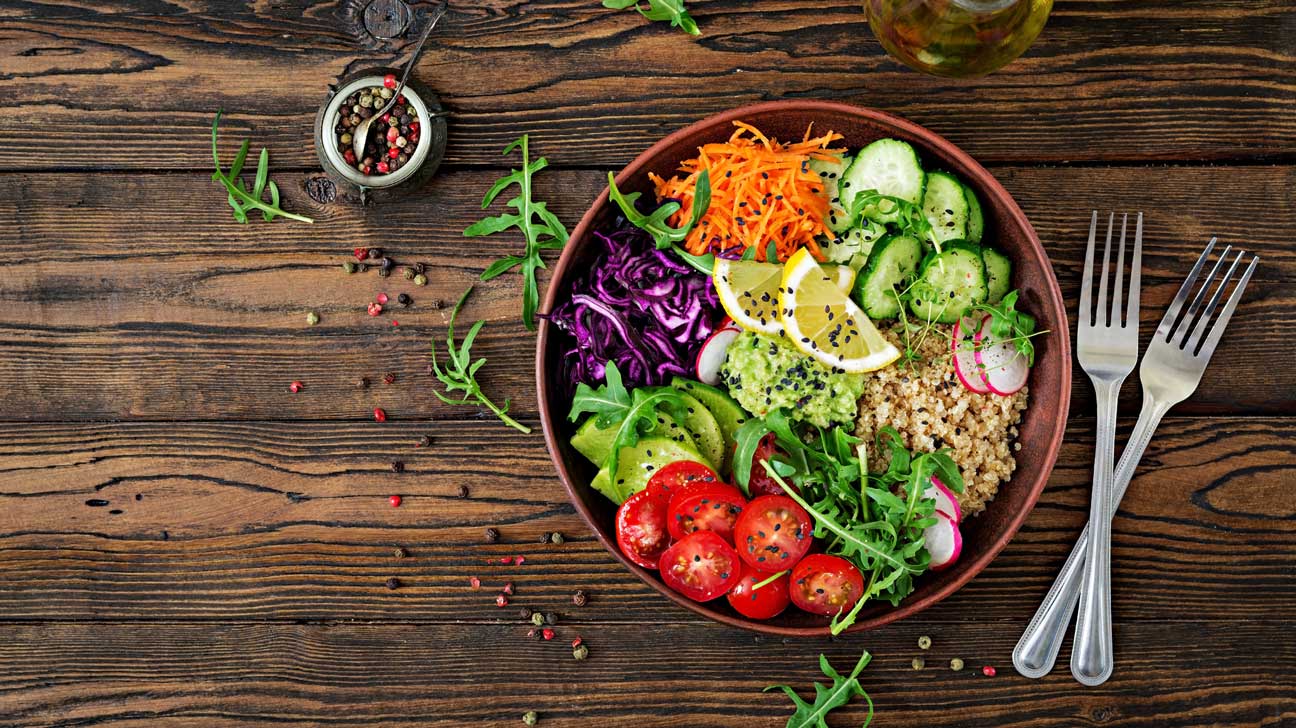
Starting a vegetarian lifestyle becomes easier when you understand gradual changes, mindful choices, and realistic expectations that support your long-term wellbeing.
Why Do People Consider A Vegetarian Lifestyle?
Many people consider a vegetarian lifestyle because they want better wellbeing. Some feel inspired by stories from friends who improved their energy. Others choose this path to reduce health risks. According to our editor’s research, many individuals begin this journey after noticing how certain foods affect their body. Some people want to explore lighter meals that feel easier to digest. Others appreciate the sense of clarity that balanced plant meals provide. Many also mention emotional satisfaction from making intentional choices. People often describe this transition as a shift rather than a drastic change.
How Should You Start Your Vegetarian Transition?
The best way to start is often slow and steady. Many individuals replace one meal at a time. Some focus on breakfast because it feels manageable. As a result of our editor’s reviews, gradual changes help maintain motivation. People often test simple meals first to learn their preferences. Some explore vegetables they previously ignored. Many discover new flavors through easy recipes. Others experiment with plant proteins to improve their confidence. Taking small steps prevents feeling overwhelmed. This early stage teaches you which ingredients satisfy you most. The process becomes smoother when your expectations stay realistic.
What Foods Should You Explore First?
Exploring simple foods helps build early comfort. Many people start with legumes because they are filling. Some try chickpeas due to their versatility. Others prefer lentils because they cook quickly. According to our editor’s research, whole grains also support consistent energy. Many patients mention that oats and quinoa help them stay full longer. Some explore tofu when they feel ready. Several people say they needed time to enjoy its texture. Vegetables become easier to include once meals feel balanced. Exploring seasonal produce often makes dishes tastier. These early choices set the foundation for long-term habits.
How Do You Maintain Balanced Nutrition?
Balanced nutrition requires small adjustments rather than strict rules. Many people worry about protein first. Several discover that beans and peas provide more protein than expected. According to our editor’s reviews, adding nuts and seeds improves nutrient variety. Some people focus on iron sources like lentils and spinach. Many enhance absorption with vitamin C rich foods. Others add fortified milk alternatives for convenience. Many testimonials emphasize consistency over perfection. People rarely meet every target daily. Long-term balance often matters more than daily precision. The more meals you explore, the easier balance becomes.
What Challenges Do Beginners Commonly Experience?
Beginners often face several challenges during the first weeks. Many feel confused about meal planning. Some worry they are not eating enough. Others fear missing their favorite dishes. According to our editor’s research, early cravings are common. Many people adjust better once they find satisfying alternatives. Several experience temporary fatigue while their body adapts. Some struggle with social situations and food choices. Others fear judgment from friends. Many testimonials show that communication helps reduce pressure. People improve their confidence by preparing snacks. Planning ahead decreases stressful decisions. Each challenge becomes manageable with time.
How Can You Handle Social And Cultural Expectations?
Social expectations can feel overwhelming at first. Many people worry about gatherings with limited options. Some feel uncomfortable explaining their choices repeatedly. According to our editor’s reviews, confidence grows as you gain experience. Many suggest offering to bring a dish to events. This simple gesture reduces pressure on hosts. Some individuals share their transition story when asked sincerely. Others choose brief explanations to avoid long conversations. Many people eventually develop a calm attitude toward questions. Social comfort grows naturally once you understand your preferences. These experiences often strengthen your commitment.
What Are Effective Meal Planning Strategies?
Effective meal planning begins with realistic ideas. Many individuals start with dishes they already enjoy. Some adjust familiar meals by removing meat. Others add plant proteins to improve flavor and texture. According to our editor’s research, preparing staples in advance reduces stress. Many people cook grains for several days at a time. Some chop vegetables ahead to save time. Others prepare sauces that transform simple meals easily. Planning helps you avoid impulsive choices. Many testimonials highlight the value of variety. Meal planning becomes smoother with practice. Small routines eventually feel effortless.
How Do You Manage Cravings During Transition?
Cravings are normal during dietary change. Many people crave familiar textures. Some crave salty foods while adjusting. Others miss specific flavors or aromas. According to our editor’s reviews, replacing flavors rather than eliminating them helps significantly. Many individuals use grilled vegetables to satisfy smoky cravings. Some use herbs to mimic certain tastes. Others explore umami-rich foods like mushrooms. Several people find that cravings decline after two weeks. This improvement occurs when your palate adjusts. Consistent meals reduce emotional hunger. Many people gain confidence once cravings feel manageable.
Why Is Emotional Adjustment Important?
Emotional adjustment shapes long-term success. Many individuals feel uncertain at the start. Some fear judgment from others. Others feel overwhelmed by changing habits. According to our editor’s research, journaling helps people track progress. Some individuals write about their energy levels. Others note emotional changes or cravings. Many testimonials mention that self-compassion supports motivation. People improve gradually instead of instantly. Small achievements create long-lasting encouragement. With time, individuals feel more grounded in their choices. Emotional adjustment becomes easier when expectations remain flexible.
How Can You Make Your Lifestyle More Sustainable?
Sustainability requires enjoyable habits. Many individuals explore new cuisines for inspiration. Some discover comfort in Mediterranean dishes. Others enjoy Asian meals rich in vegetables. According to our editor’s reviews, rotating flavors prevents boredom. Many people rely on seasonal produce for freshness. Some try cooking classes to expand skills. Others exchange recipes with friends. Many discover new ingredients that reshape their routine. Sustainability becomes possible when your meals feel enjoyable. Long-term commitment grows naturally when you feel satisfied.
What Benefits Do People Commonly Notice?
People often report noticeable benefits after several weeks. Many describe lighter digestion. Some mention improved energy. Others feel calmer after meals. According to our editor’s research, people often express emotional clarity. Many find themselves sleeping better. Some lose bloating gradually. Others enjoy improved focus throughout the day. Many develop stronger awareness of hunger signals. These benefits deepen motivation during the journey. People often feel grateful for these subtle yet meaningful changes.
How Do You Stay Motivated Long-Term?
Long-term motivation comes from understanding your purpose. Many individuals remind themselves why they started. Some take photos of their meals for inspiration. Others track their mood on different days. According to our editor’s reviews, long-term success becomes easier when habits feel rewarding. Many choose weekly rituals that support consistency. Some prepare favorite meals every weekend. Others try new dishes monthly. Many celebrate progress through small milestones. Motivation grows as you recognize how far you have come.
Maintaining A Healthy Perspective
A vegetarian lifestyle becomes smoother when approached with patience and curiosity. According to our editor’s research, people who remain flexible enjoy the process more. Many learn new cooking skills that stay with them for life. Others grow more aware of their body’s needs. This journey becomes meaningful as you discover your rhythm. For more detailed information, you may wish to visit the websites of official institutions and organizations.